Author: TheAstroManual

Gravitational Waves: How LIGO Opened a New Window on the Universe
•
Gravitational waves are ripples in the fabric of spacetime itself, predicted by Einstein in 1916 and finally detected a century later. Photo: NASA/Goddard Space Flight Center (Public Domain) Ripples in the Fabric of Spacetime On September 14, 2015, at 5:51 AM Eastern Time, both detectors of the Laser Interferometer Gravitational-Wave…

Autoguiding for Astrophotography: Taking Your Long Exposures to the Next Level
•
Professional observatories use sophisticated guide star systems to track objects precisely. Amateur autoguiding works on the same principle, using a small guide camera to make real-time corrections. Photo: ESO/Y. Beletsky (CC BY 4.0) The Problem Every Astrophotographer Faces You have a solid equatorial mount, a good telescope, and a capable…

Double Stars and Binary Systems: The Hidden Gems of the Night Sky
•
Among the countless stars visible on a clear night, many are actually double or multiple star systems revealing stunning color contrasts through a telescope. Photo: Alican Helik / Pexels More Than Meets the Eye Point your telescope at almost any bright star and there is a decent chance you will…

Venus: Observing and Photographing the Morning and Evening Star
•
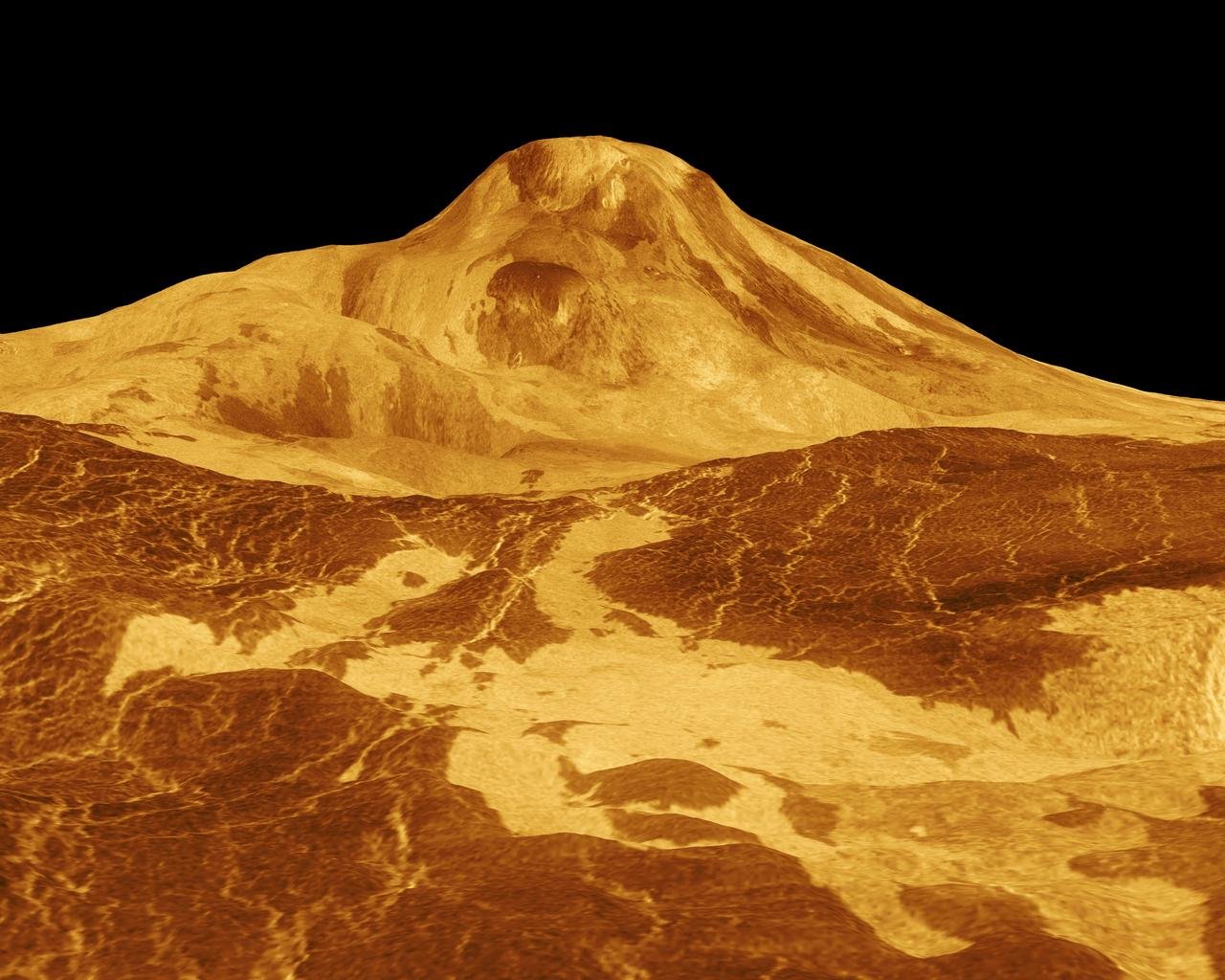
Venus, our closest planetary neighbor, is the brightest object in the night sky after the Moon and has fascinated observers for thousands of years. For the current position of Venus, check our February-March 2026 night sky guide. Photo: NASA/JPL-Caltech (Public Domain) The Brightest “Star” in the Sky If you have…
The Milky Way: Understanding and Observing Our Home Galaxy
•
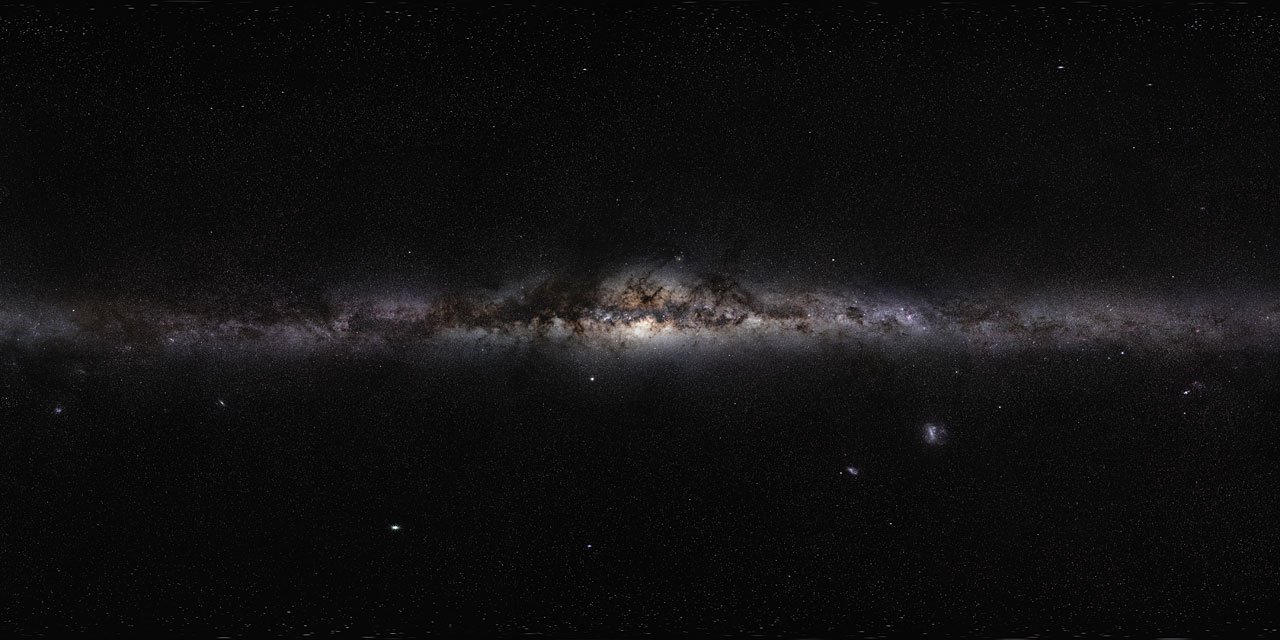
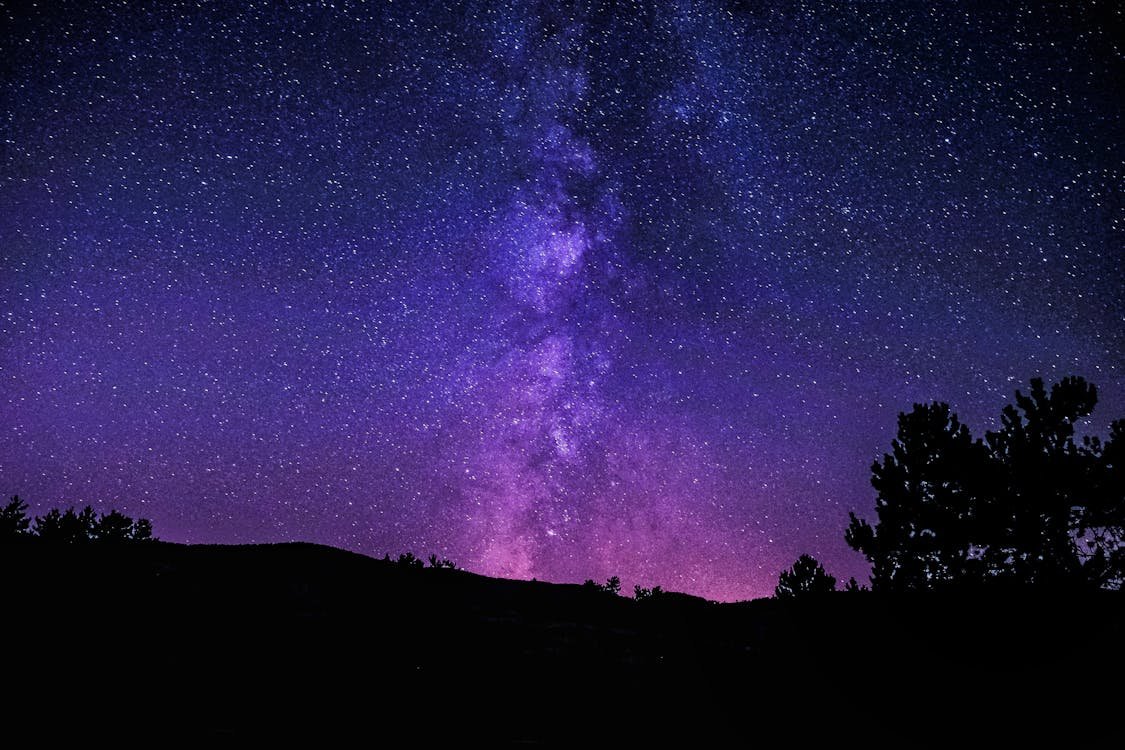
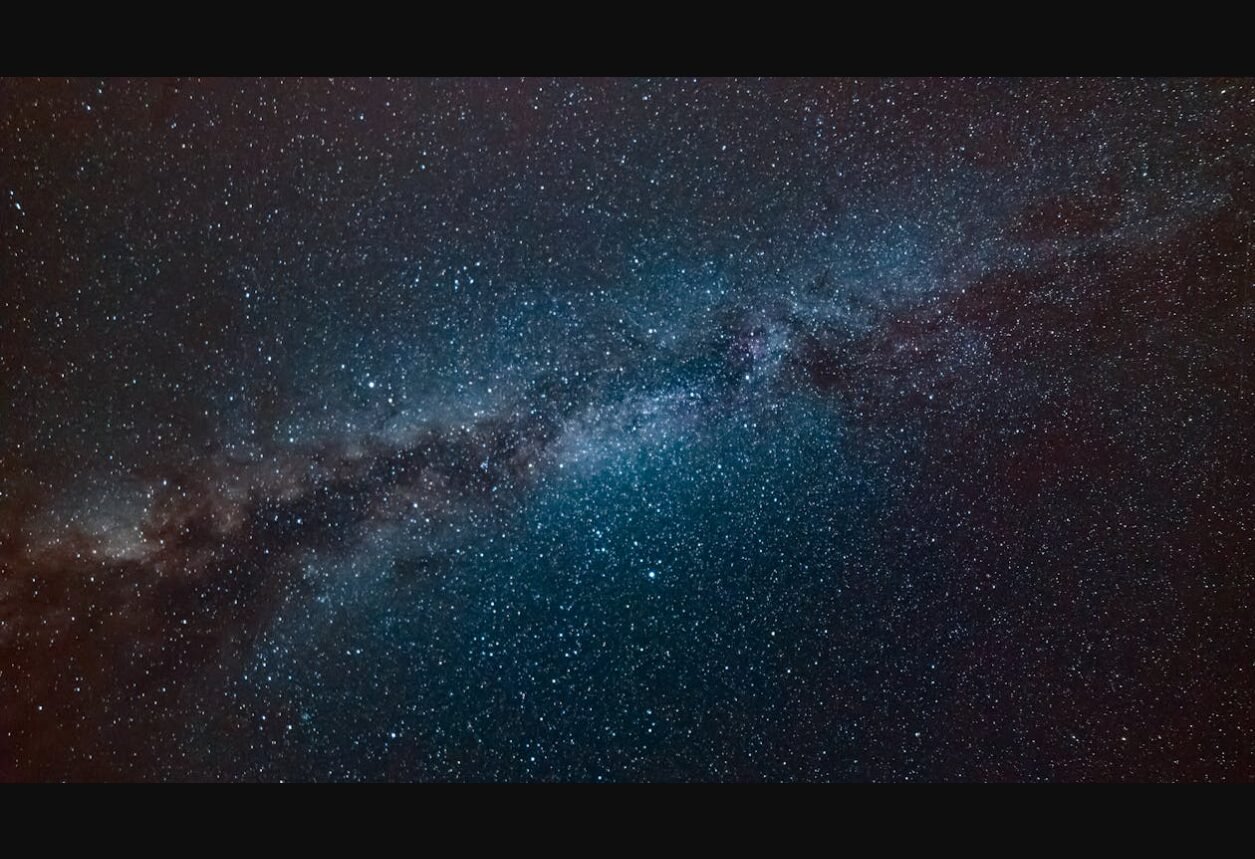
The Milky Way is our cosmic home, a barred spiral galaxy containing hundreds of billions of stars, stretching 100,000 light-years across. Photo: Hristo Fidanov / Pexels Our Address in the Cosmos On a clear, moonless night from a truly dark location, you can see it: a soft, luminous band stretching…
Astrophotography on a Budget: Capturing Stunning Night Sky Images Without Breaking the Bank
•
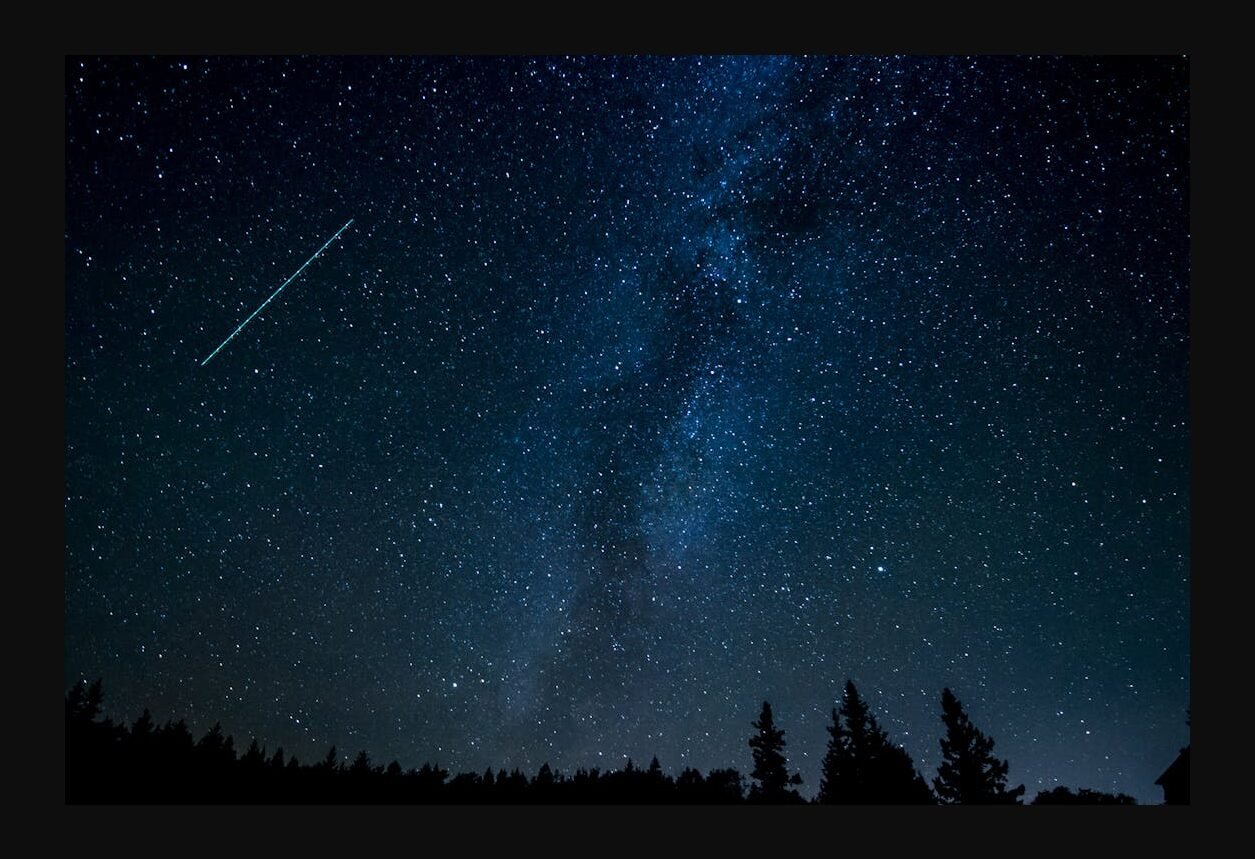
You do not need thousands of dollars in equipment to capture beautiful images of the night sky. A camera, tripod, and patience can produce remarkable results. Photo: Pixabay / Pexels Great Images Do Not Require Great Budgets Scroll through astrophotography forums and social media and you will see images that…