Tag: Observing

Double Stars and Binary Systems: The Hidden Gems of the Night Sky
•
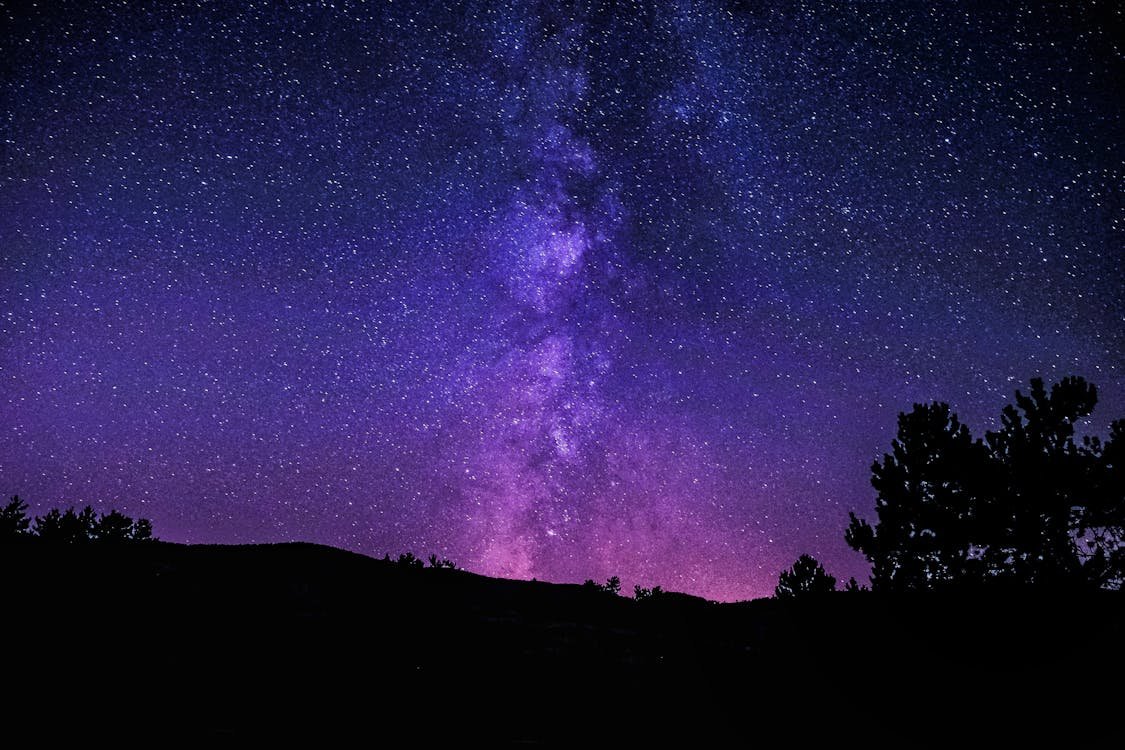
Among the countless stars visible on a clear night, many are actually double or multiple star systems revealing stunning color contrasts through a telescope. Photo: Alican Helik / Pexels More Than Meets the Eye Point your telescope at almost any bright star and there is a decent chance you will…

Venus: Observing and Photographing the Morning and Evening Star
•
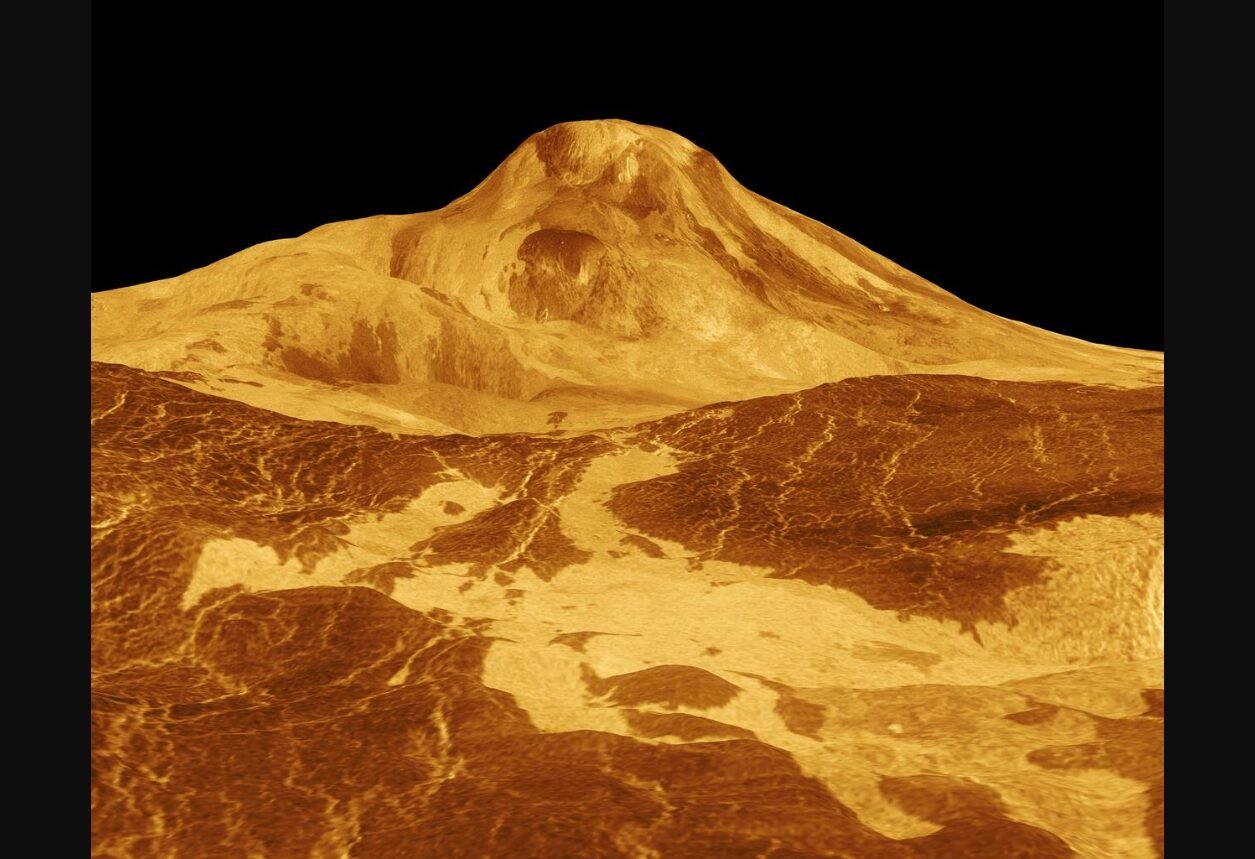
Venus, our closest planetary neighbor, is the brightest object in the night sky after the Moon and has fascinated observers for thousands of years. For the current position of Venus, check our February-March 2026 night sky guide. Photo: NASA/JPL-Caltech (Public Domain) The Brightest “Star” in the Sky If you have…
The Milky Way: Understanding and Observing Our Home Galaxy
•
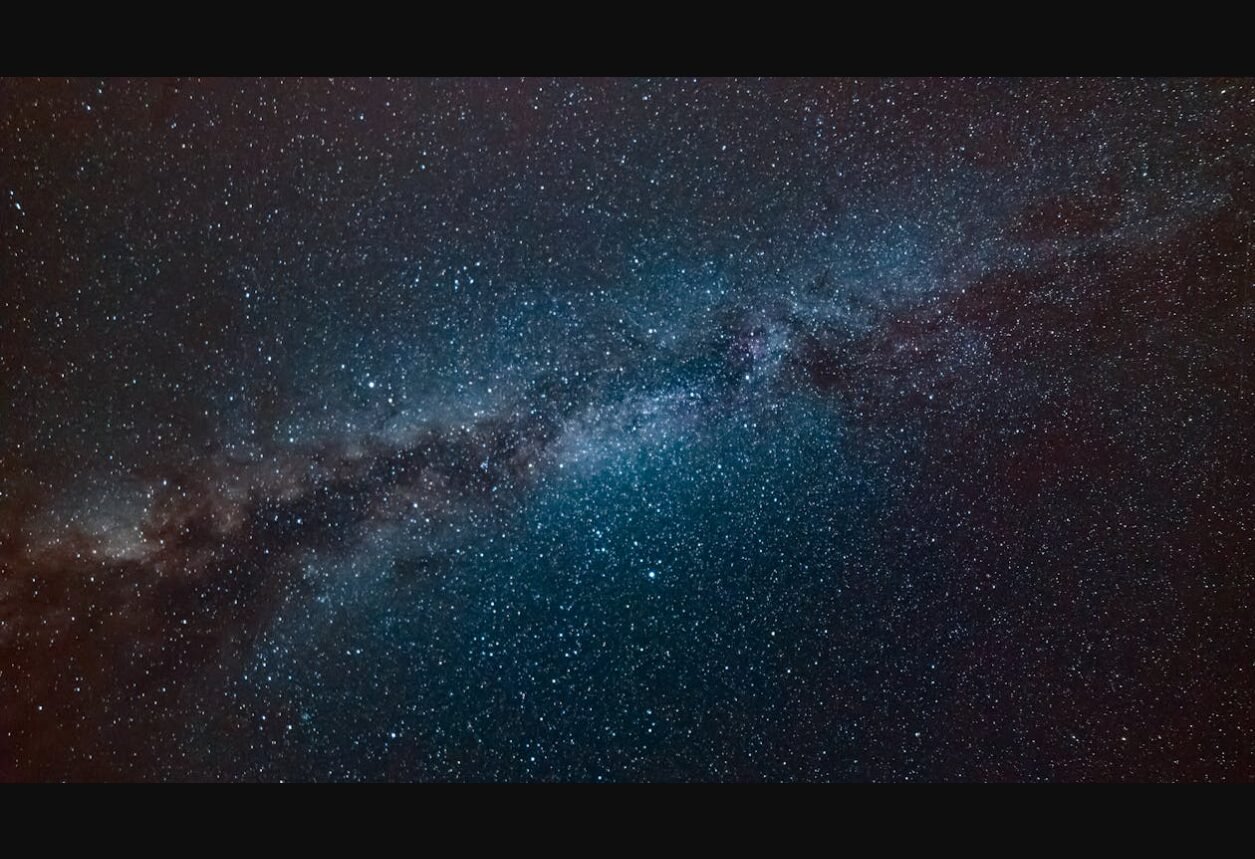
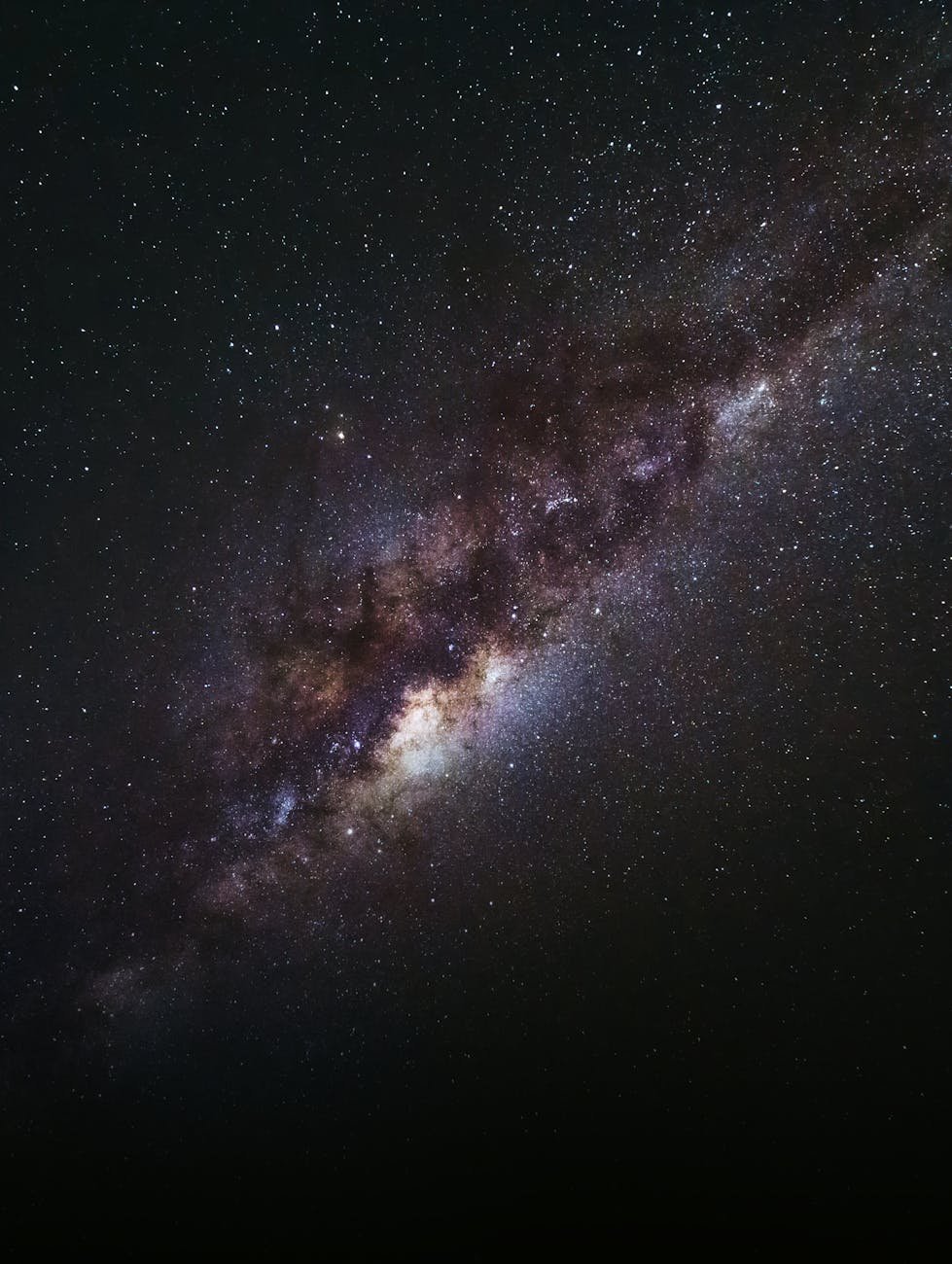
The Milky Way is our cosmic home, a barred spiral galaxy containing hundreds of billions of stars, stretching 100,000 light-years across. Photo: Hristo Fidanov / Pexels Our Address in the Cosmos On a clear, moonless night from a truly dark location, you can see it: a soft, luminous band stretching…
Comets: Visitors from the Edge of the Solar System and How to Observe Them
•
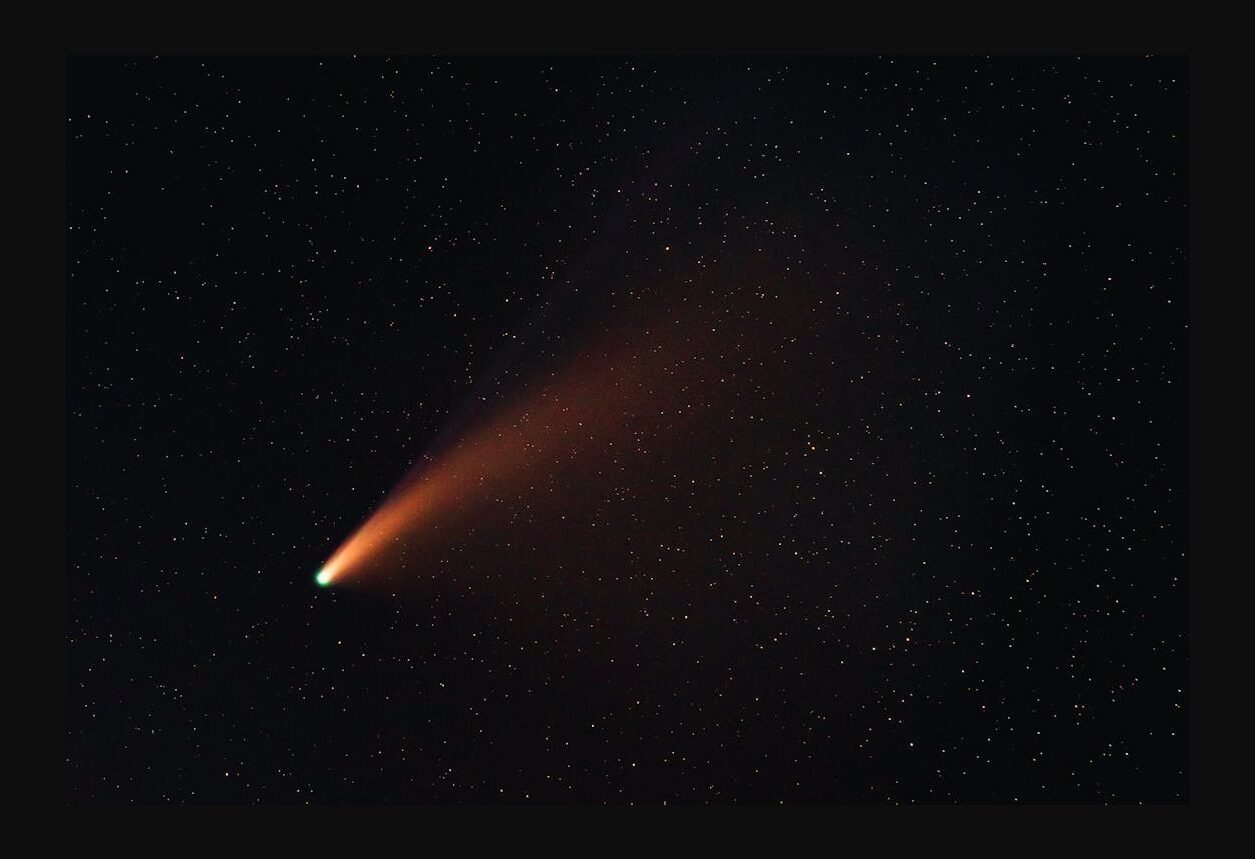
Comets have captivated humanity for millennia, their glowing tails stretching across the night sky as they sweep through the inner solar system. Learn more in our guide to solar observing. Photo: Alex Andrews / Pexels Cosmic Snowballs with Spectacular Tails Throughout human history, comets have inspired awe, fear, and fascination.…

Understanding Star Colors: What the Night Sky’s Palette Reveals About Temperature
•
Why Stars Have Different Colors Take a moment the next time you are under a dark sky and really look at the stars. If your eyes are dark-adapted, you will notice something surprising: stars are not all the same color. Some burn with a brilliant blue-white intensity. Others glow with…